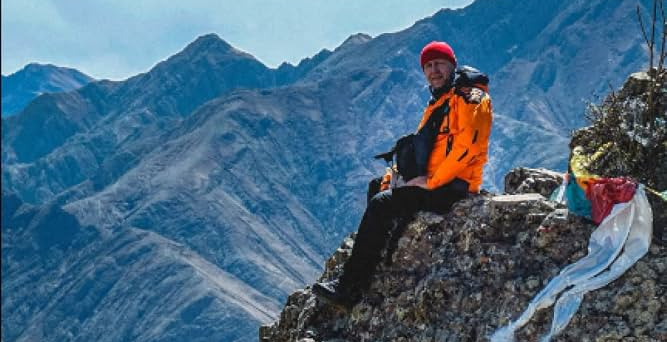
Stepping out to travel the world alone is one of the most liberating decisions you will ever make. It is an intentional departure from the comfort of familiar routines, social safety nets, and shared opinions. When you travel with friends or family, your experience is constantly filtered through group dynamics and compromises. When you travel on your own, the world meets you directly—unfiltered, immersive, and transformative.
Far from being a lonely or reckless pursuit, solo travel is a masterclass in independence, adaptability, and personal growth. Whether you are planning a two-week trip across a single region or a year-long round-the-world journey, this comprehensive guide covers everything you need to know: from mastering your mindset and planning logistics to staying safe, managing budgets, making friends, and returning home transformed.
Part 1: The Solo Mindset — Overcoming Fear and Building Confidence
The hardest part of traveling the world alone is not booking the flights, packing the bag, or navigating a foreign subway system. The hardest part is simply choosing to go.
                  [The Solo Mindset Shift]

   External Doubts & Fears              Internal Clarity & Growth
 (Safety, Loneliness, Cost)  ──► Threshold ──► (Self-Reliance, Autonomy,
                                                Deep Awareness)
1. Conquering the Fear of the Unknown
Before setting off, your mind will naturally construct worst-case scenarios. “What if I get lost?” “What if I get sick?” “What if no one talks to me?”
Recognize that these fears stem from a lack of familiar context, not from actual danger. The world is far kinder, more helpful, and more navigable than news headlines often suggest. People everywhere live their daily lives, raise families, run businesses, and are generally willing to extend a helping hand to a polite stranger in need.
2. Differentiating Solitude from Loneliness
The single biggest misconception about traveling alone is that it equals being lonely. In reality, there is a profound difference between loneliness (a feeling of isolation) and solitude (the enriching state of being comfortably present with yourself).
- Sensory Amplification: Without the constant chatter of a companion, your observational senses sharpen. You notice subtle architecture, regional accents, smell local cooking, and truly experience where you are.
- Emotional Independence: You learn that a breathtaking view or an amazing meal doesn’t require validation from someone else to be valuable. Your experience is complete simply because you lived it.
                         [Solitude vs. Loneliness]

       LONELINESS                                 SOLITUDE
 ┌──────────────────────┐                 ┌──────────────────────┐
 │ - Reactive & Passive │                 │ - Intentional        │
 │ - Craves Noise       │                 │ - Observant & Present│
 │ - Feels Disconnected │                 │ - Deeply Connected   │
 └──────────────────────┘                 └──────────────────────┘
Part 2: Planning and Preparation — From Vision to Itinerary
A successful solo trip balances solid organizational structure with room for spontaneous adventure. Over-planning leads to burnout, while under-planning breeds unnecessary stress.
                 [The Solo Trip Planning Timeline]

  6 Months Prior      3 Months Prior     1 Month Prior      1 Week Prior
┌─────────────────┐ ┌────────────────┐ ┌──────────────┐ ┌──────────────┐
│ Pick Region &   │ │ Book Long-Haul │ │ Lock In ID,  │ │ Pack Light,  │
│ Set Budget      │ │ Flights & First│ │ Insurance,   │ │ Download     │
│                 │ │ Few Nights     │ │ & Cards      │ │ Offline Maps │
└─────────────────┘ └────────────────┘ └──────────────┘ └──────────────┘
1. Choosing the Right Destination for Your Comfort Level
If it is your first time traveling alone, pick a destination that offers high infrastructure and safety while still feeling like an adventure.
- Beginner Friendly: Western Europe (e.g., Portugal, Netherlands), Southeast Asia (e.g., Thailand, Vietnam), Japan, Australia, New Zealand. These regions have well-established tourism infrastructure, reliable transit, and high levels of safety.
- Intermediate: Central and South America (e.g., Costa Rica, Peru), Eastern Europe (e.g., Poland, Hungary), South Korea.
- Advanced: Sub-Saharan Africa, remote regions of Central Asia, less-touristed parts of the Middle East.
2. The Anchor-and-Flow Itinerary
Avoid packing every single day with scheduled tours and back-to-back transit. Instead, use the Anchor-and-Flow System:
- Anchors: Book your main long-distance transport (flights/main trains) and your first two nights of accommodation in every new city.
- Flow: Leave the remaining days flexible. This allows you to stay longer in a town you fall in love with, or change direction based on recommendations from locals or fellow travelers you meet along the way.
Part 3: Financial Management and Smart Budgeting
Money equals freedom when you are on the road. Managing your finances smartly ensures you can travel longer and handle unexpected situations with ease.
                     [The Financial Security System]

  Primary Account (On You)                 Vault Account (In Hotel/Safe)
 ┌──────────────────────────┐             ┌──────────────────────────────┐
 │ - 1 Debit/Credit Card    │             │ - Secondary Backup Cards     │
 │ - Moderate Local Cash    │             │ - Emergency Cash Buffer      │
 │ - Daily Spending Buffer  │             │ - Passport & Critical Docs   │
 └──────────────────────────┘             └──────────────────────────────┘
1. The Two-Basket Financial Rule
Never keep all your financial access points in one place. If your wallet gets lost or stolen, having a secondary stash prevents a minor hiccup from turning into a major crisis.
- Daily Wallet: Keep one credit card, one debit card, and enough local cash for 1–2 days of normal spending on your person.
- Hotel Vault/Backup: Keep your backup credit/debit cards, primary passport, and an emergency cash stash (preferably in major world currencies like USD or EUR) locked inside your accommodation safe or hidden in your main luggage.
2. Minimizing Fees and Maximizing Value
- No Foreign Transaction Fee Cards: Ensure your primary credit and debit cards do not charge a $2\%$ to $3\%$ conversion fee on every transaction abroad.
- Always Pay in Local Currency: When paying with a credit card card reader overseas, always choose to be charged in the local currency rather than your home currency to avoid terrible exchange rate conversions.
- ATM Strategy: Withdraw larger amounts of cash less frequently to minimize per-transaction ATM fees.
Part 4: Packing Light — The Freedom of One Bag
The single biggest mistake solo travelers make is overpacking. When you travel alone, you have to carry every single pound of your luggage up train station stairs, across cobbled streets, and onto public buses.
                      Pack Weight vs. Personal Freedom

    Low Weight (< 10 kg)  ──► High Mobility ──► Easy Transit & Spontaneity
    High Weight (> 15 kg) ──► Low Mobility  ──► Heavy Fatigue & Taxi Dependence
1. The One-Bag Principle
Aim to travel with a single carry-on-sized backpack ($35\text{L}$ to $45\text{L}$).
- No Lost Luggage: You never have to check a bag or worry about an airline losing your belongings during layovers.
- Immediate Mobility: You can step off a flight or train and explore a city on foot right away without needing to find a luggage locker first.
2. Packing Essentials Checklist
| Category | Must-Have Items | Pro Tip |
| Clothing | 5-7 days of quick-dry, layerable clothes in neutral colors | Choose merino wool or synthetic technical fabrics that resist odor. |
| Footwear | 1 pair of comfortable walking/hiking shoes, 1 pair of light sandals | Break in your shoes completely before leaving home. |
| Electronics | Universal power adapter, portable power bank ($10,000\text{ mAh}+$), phone charger | A power bank keeps your phone alive for maps and safety late at night. |
| Toiletries | Solid shampoo bars, travel-sized toothpaste, basic medicine kit | Buy extra sunscreen, soap, and basics locally as you go. |
| Security | Small TSA-approved padlocks, thin steel cable lock | Essential for securing your locker in hostel rooms or locking zippers on transit. |
Part 5: Safety First — A Practical Framework for Solo Travelers
Traveling alone is overwhelmingly safe if you practice situational awareness and build quiet safety systems into your routine.
                     [Solo Safety Core Principles]

  Daylight Arrivals ──► Confident Stride ──► Digital Redundancies
  (Easy Navigation)     (Avoid Target Mark)  (Offline Maps & Pings)
1. The Golden Safety Rules
- Arrive During Daylight: Schedule flights, buses, and trains to land in a new destination before sunset. Finding an address and evaluating the safety of a neighborhood is far easier in daylight.
- The “Confident Stride”: If you get lost, do not stand on a dark sidewalk corner staring helplessly at your phone. Walk purposefully into a open store, café, or hotel lobby to reorient yourself.
- Trust Your Gut: If a street, a person, or a situation feels off, leave immediately. You do not owe anyone politeness at the expense of your personal safety.
2. Digital Safety Tools
- Offline Maps: Download local map regions on Google Maps or Maps.me before arriving. GPS works even without active mobile data.
- Daily Check-In System: Establish a simple agreement with a friend or family member back home. A simple daily text ping lets them know you are fine without overwhelming your day.
- Emergency Digital Scans: Store encrypted copies of your passport, travel insurance, and medical info on a secure cloud storage folder accessible from any device.
Part 6: How to Make Friends and Build Community on the Road
Traveling on your own does not mean being isolated. In fact, solo travelers almost universally report that they make far more friends on the road than people traveling in couples or groups.
                           Social Accessibility

      Group Traveler                          Solo Traveler
  ┌──────────────────┐                     ┌──────────────────┐
  │ [Person]◄►[Person]│                     │  [Solo Traveler] │
  │ (Self-Contained) │                     │ (Open to World)  │
  └──────────────────┘                     └─────────▲────────┘
            │                                        │
            ▼                                        ▼
   Harder for Locals to                      Easy for Anyone to
        Approach                                 Approach
1. Where to Meet Fellow Travelers
- Hostels & Guesthouses: Choose accommodation with vibrant common areas, shared kitchens, or organized walking tours. Even if you book a private room in a hostel, you get access to a built-in community.
- Free Walking Tours: Most major cities offer free, tip-based walking tours. They are a great way to orient yourself, learn local history, and naturally strike up conversations with other travelers.
- Interest-Based Activities: Join a local cooking class, scuba diving course, language exchange, or day-hike group. Sharing an activity creates immediate, effortless common ground.
2. How to Connect with Locals
- Dine at the Counter: Avoid secluded tables in the back. Eat at counter bars, open food stalls, or communal tables where conversations naturally ignite with staff and neighboring diners.
- Learn 5 Essential Words: Always learn Hello, Please, Thank you, Excuse me, and Goodbye in the local language. Attempting the local language—even poorly—shows respect and opens doors everywhere.
Part 7: Managing the Mental Ups and Downs
Traveling the world alone is an incredible adventure, but it is not a non-stop highlight reel. There will be days when you feel exhausted, overwhelmed, or sick. Managing your energy is key to long-term travel success.
                       [Energy Management Cycle]

    Explore ──► Over-Stimulation ──► Rest / Rest-Day ──► Re-Energize
1. Preventing Travel Burnout
Moving to a new town every single day quickly leads to sensory overload and physical fatigue.
- The 3-Night Rule: Try to spend at least 3 nights in each major stop. This gives you one full day to explore, one day to take it slow, and time to truly absorb the atmosphere without constant packing and unpacking.
- Schedule Zero-Days: Give yourself permission to spend a whole day doing “nothing”—staying in bed, watching movies, reading in a local park, or doing laundry. You do not need to see every tourist attraction in every city.
2. Dealing with Sickness and Setbacks
Getting a stomach bug or missing a flight happens to every long-term traveler eventually.
- Carry a basic first-aid kit with hydration salts, pain relievers, and anti-diarrhea medication.
- Always hold comprehensive Travel Insurance that covers medical care, trip cancellations, and emergency evacuation. Knowing you are covered financially removes massive anxiety during unexpected health issues.
Part 8: The Solo Travel Spectrum — Comparing Styles
Depending on your personality, goals, and budget, your journey will take a unique shape. Here is a comparison of the three primary styles of solo travel:
| Dimension | The Fast-Paced Explorer | The Slow & Stationary Traveler | The Overland Trail Adventurer |
| Primary Goal | Maximize destinations and iconic sights | Deep cultural integration and local rhythm | Outdoor physical challenge and raw nature |
| Typical Duration | 2 to 4 weeks | 1 to 6 months per location | Weeks to months along a continuous route |
| Daily Pace | High ($10\text{k-20k}$ steps, constant transit) | Low (Working, studying, living like a local) | Moderate-High (Hiking, biking, or train travel) |
| Social Dynamics | High interaction with fellow tourists | Deep relationships with local community | Strong camaraderie with fellow hikers/trailgoers |
| Best Accommodations | Centrally located hostels, boutique hotels | Co-living spaces, short-term rental apartments | Mountain huts, hostels, guesthouses, camping |
Part 9: Re-entry — Returning Home Transformed
The final stage of solo travel takes place when you step back through your own front door. Returning home often brings a subtle form of reverse culture shock.
                        The Growth Loop

    Home Environment ──► World Journey ──► Transformed Self
     (Known World)        (Solo Challenge)    (New Confidence)
You may find that while you have grown immensely—becoming more resilient, open-minded, and self-reliant—your home environment has stayed largely the same.
- Preserve Your New Habits: Keep up the practices you learned on the road. Walk through your home city with the same curiosity you had abroad, try new foods, and continue engaging with people outside your normal social circle.
- Integrate the Confidence: The realization that you survived—and thrived—on your own across foreign cities will stay with you forever. Apply that newfound confidence to your career, personal relationships, and future ambitions.
Final Words: Take the First Step
Traveling the world on your own is not reserved for a special class of fearless explorers. It is simply a choice available to anyone willing to step outside their comfort zone.
The world is waiting—vast, beautiful, welcoming, and endlessly inspiring. You don’t need to wait for a friend’s schedule to align, or for the “perfect” moment to arrive. Book that first ticket, pack your bag light, step onto the plane, and discover just how capable, independent, and extraordinary you truly are.